Table of Contents
Impact of Disasters on Children’s Education
Disasters—whether natural or human-made—often leave deep and lasting effects on communities. Among ultimate unsafe are children, whose instruction is repeatedly upset all along such troubles, moving not only their knowledge but also their moving and public incident.
Disasters can severely bother minors’s approach to education, establishing two together next and long-term challenges.
When accidents affect, schools grant permission be broken or destroyed, imposing closures that can last for weeks, months, or even more interminable. Many kins are displaced, making it troublesome for kids to accompany school regularly or by any means. Even when schools continue, a lack of money such as books, assistants, and secure foundation can prevent effective knowledge. Additionally, infants grant permission experience confusion, stress, and worry, that can reduce aggregation and ambition. Over opportunity, prolonged turmoil can bring about knowledge break, increased quitter rates, and a decline in overall academic progress.
Importance of Educational Support After Disasters
In the aftermath of accidents, replacing education enhances a fault-finding become involved helping kids restore their lives.
Providing instructional support helps re-establish a sense of usualness and routine, that is essential for minors’s emotional improvement. Schools offer a dependable and organized surroundings where adolescents can retake support and reconnect accompanying peers. Educational programs can more include psychosocial support to address trauma and advance elasticity. By guaranteeing access to education, societies not only defend youngsters’s right to education but still lay the base for enduring recovery and incident.
Challenges Faced by Children in Disaster-Affected Families
Disasters do not affect children in isolation—they deeply impact entire families, creating a ripple effect that makes it harder for children to continue their education and maintain stability in their daily lives.
Children living in disaster-affected families encounter multiple barriers that go beyond just the loss of infrastructure, often affecting their overall well-being and future opportunities.
- Loss of school materials: Books, uniforms, and other essential learning supplies are often destroyed or left behind during disasters, making it difficult for children to resume studies.
- Displacement: Families may be forced to move to temporary shelters or new locations, disrupting children’s access to their regular schools and learning environments.
- Interrupted schooling: Prolonged school closures or irregular attendance can lead to significant learning gaps and academic setbacks.
- Emotional trauma: Exposure to loss, uncertainty, and distress can affect children’s mental health, reducing their ability to focus and engage in learning.
- Financial constraints: Families facing economic hardship after disasters may prioritize basic survival needs, making education less accessible or forcing children to drop out.
- Increased responsibilities: Some children may need to take on additional household or income-generating roles, leaving less time and energy for education.
Access to Learning Resources
In the aftermath of disasters, restoring access to essential learning tools and safe spaces becomes crucial for helping children return to education and regain a sense of stability.
Ensuring that children have the necessary learning materials is a key step in restarting their educational journey.
After a disaster, many children lose their books, notebooks, uniforms, and other study materials. Providing these resources quickly helps them re-engage with their studies without unnecessary delays. Governments, NGOs, and communities often distribute school kits and set up temporary learning centers to bridge the gap. Access to digital learning tools, where possible, can also support continuity in education. By restoring these basic resources, children are better equipped to resume learning and rebuild their academic progress.
School Infrastructure Rehabilitation
Rebuilding and restoring school infrastructure is essential for creating a safe and supportive learning environment.
Disasters can damage or completely destroy school buildings, making them unsafe or unusable. Rehabilitation efforts focus on repairing existing structures or constructing new, disaster-resilient schools that can withstand future emergencies. Temporary classrooms may be set up to ensure that learning continues while permanent facilities are rebuilt. Restoring infrastructure also includes providing clean water, sanitation, and safe spaces for students and teachers. These efforts not only enable the resumption of education but also reinforce a sense of normalcy and security for children.
Psychological & Emotional Stability Through Education
In times of crisis, education becomes more than just a means of learning—it plays a vital role in helping children cope with the emotional and psychological impact of disasters.
Education provides a structured and supportive environment that helps children regain a sense of safety and normalcy after a disaster.
Returning to school allows children to re-establish daily routines, which can be comforting in the face of uncertainty and disruption. Classrooms become safe spaces where they can interact with peers, express themselves, and slowly process their experiences. Teachers often act as caregivers and mentors, offering emotional reassurance and identifying signs of distress among students.
In addition, educational programs may include psychosocial support such as counseling sessions, group activities, and creative expression (like art and storytelling) to help children deal with trauma. These interventions are crucial in reducing anxiety, fear, and behavioral issues. By supporting mental well-being alongside academic learning, education helps children build resilience, restore confidence, and move forward positively.
Role of NGOs in Educational Support
Non-governmental organizations (NGOs) play a significant role in ensuring that children’s education continues despite the challenges posed by disasters.
Learning Material Distribution
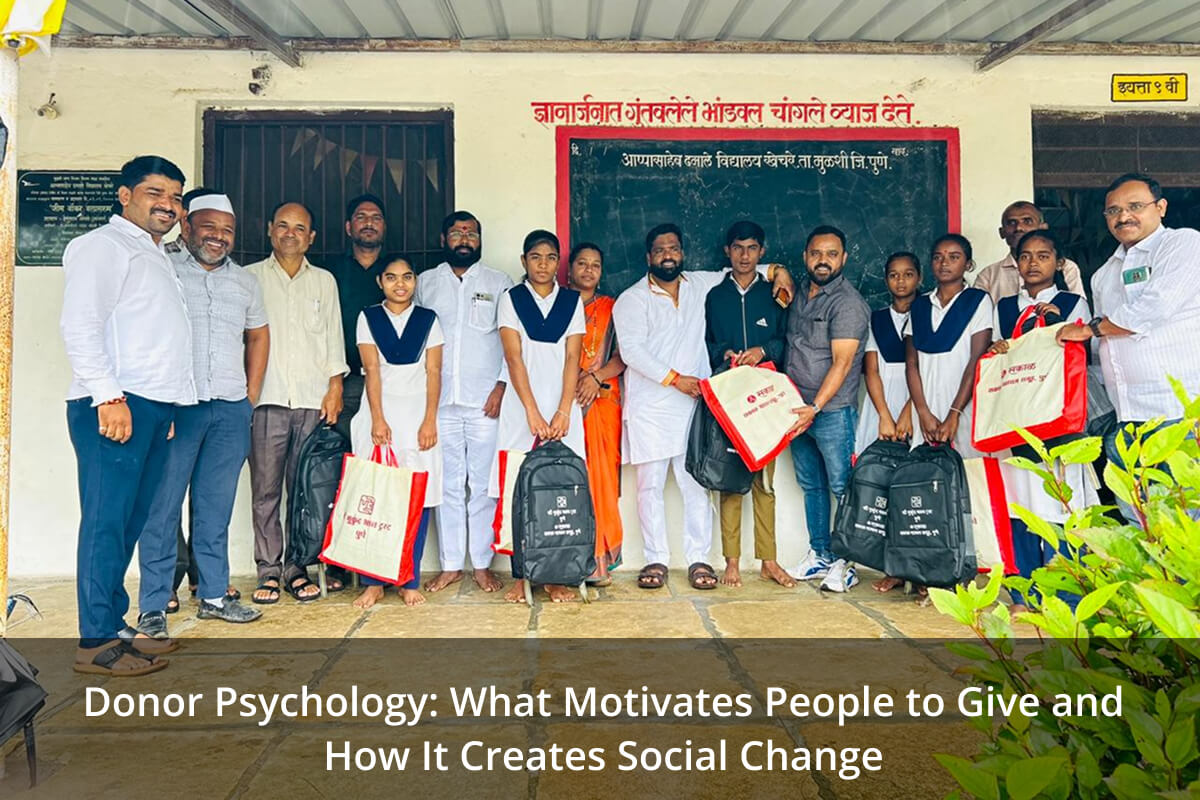
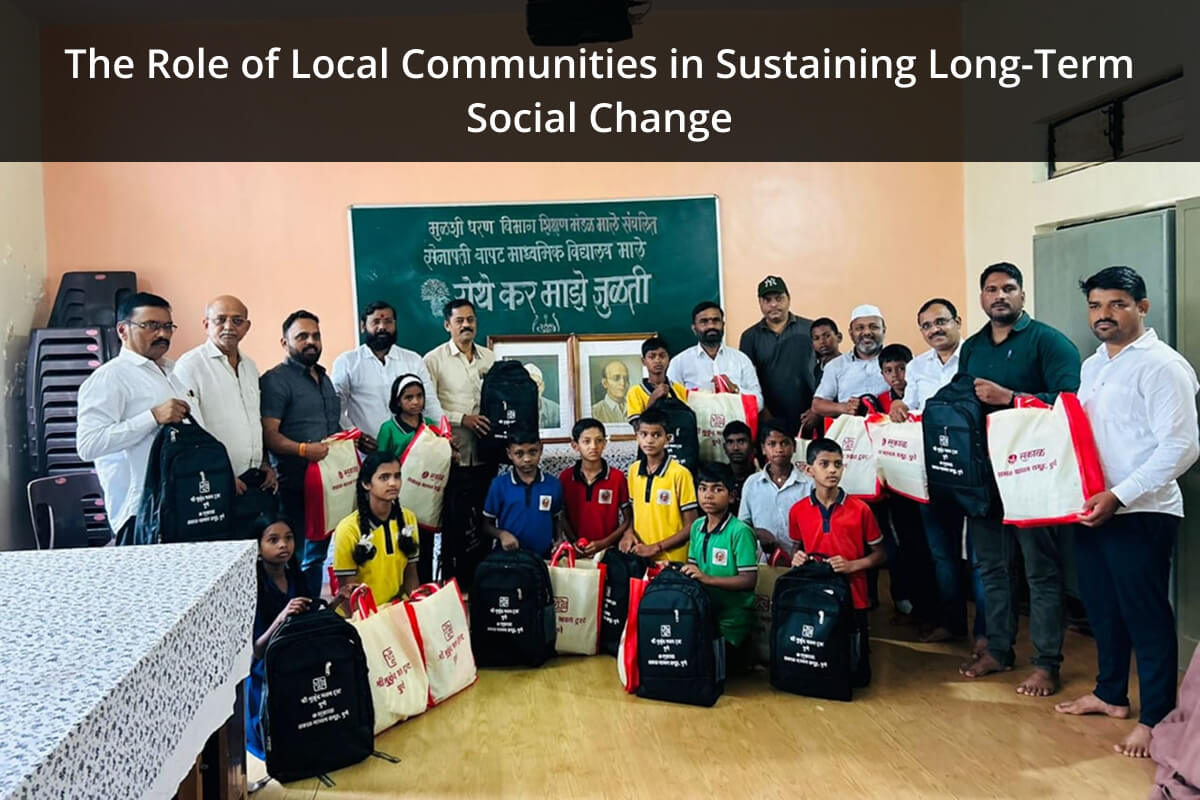
NGOs often step in quickly to provide essential learning materials such as books, notebooks, stationery, and school uniforms. These distributions help children return to school without the burden of replacing lost items. In many cases, NGOs also set up temporary learning kits and mobile classrooms to reach children in remote or severely affected areas, ensuring that education is not delayed.
Scholarship Assistance
Many disaster-affected families face financial hardship, making it difficult to prioritize education. NGOs provide scholarships, fee waivers, or financial aid to support children in continuing their studies. This assistance helps prevent school dropouts and ensures that children from vulnerable backgrounds still have access to quality education, even during recovery periods.
School Reconstruction
In areas where schools have been damaged or destroyed, NGOs contribute to rebuilding efforts by funding and supporting the construction of safe, durable school infrastructure. They often collaborate with governments and local communities to create disaster-resilient buildings equipped with basic facilities. By restoring these learning spaces, NGOs help communities re-establish education systems and provide children with a secure environment to learn and grow.
Community-Based Learning Initiatives
In disaster-affected areas, communities often come together to support children’s education, especially when formal systems take time to recover.
Community-Based Learning Initiatives
Local efforts play a crucial role in ensuring that children continue learning even in challenging circumstances.
Community-based learning initiatives include setting up temporary classrooms in shelters, community halls, or open spaces where children can gather and study. Volunteers, local teachers, and even educated community members often step in to conduct classes and support learning. These programs are flexible and adapted to the needs of affected children, helping bridge gaps until formal schools are restored. Additionally, such initiatives encourage community participation and ownership, strengthening collective resilience and ensuring that no child is left behind in the recovery process.
In the long run, consistent educational support after disasters not only helps children recover academically but also contributes to their overall growth and stability.
Long-Term Benefits of Educational Assistance
Providing sustained educational assistance has far-reaching positive impacts on children and their communities.
- Continued learning: Ensures that children do not fall behind academically despite disruptions, helping them stay on track with their education.
- Emotional recovery: Supports mental well-being by providing a stable environment and helping children cope with trauma over time.
- Future opportunities: Education equips children with knowledge and skills that improve their chances of better employment and a secure future.
- Stability in life: Regular schooling restores routine and discipline, contributing to a sense of normalcy and long-term personal development.
- Community resilience: Educated children grow into informed individuals who can contribute to rebuilding and strengthening their communities in the future.
Key Takeaways
In the face of disasters, education emerges as a powerful tool that helps children rebuild their lives and look toward a more secure future.
The importance of educational support in disaster-affected areas can be understood through a few key points:
- Education restores stability: It helps reintroduce routine and structure into children’s lives after disruption.
- Supports emotional recovery: Schools and learning environments provide a safe space for healing and psychological well-being.
- Improves future prospects: Continued education equips children with the skills and knowledge needed for better opportunities ahead.
Support Relief Efforts Through Sakal Relief Fund
Your support can help provide education, stability, and hope to children in remote disaster-affected communities, ensuring they have the resources needed to rebuild their futures. Visit https://www.sakalrelieffund.com/donate.php to contribute and make a meaningful difference today.