Table of Contents
The world is filled with pain and suffering and within every society of the world there remains a divide between groups of people. These divisions exist due to many reasons such as race, religion, economic condition and other forms of social stigmas. The need for benevolence has risen as these inequalities have grown and in order to ensure a harmonious existence, many people have dedicated their lives to the betterment of others.
What is an NGO?
An NGO or Non-Governmental Organisation or Non-profit organization are established operating independently to address various social, cultural, environmental and humanitarian problems so that the lives of marginalized communities and those suffering due to various tragedies can be improved holistically and everybody can live with dignity and a certain level of comfort. NGOs or NPOs usually provide services like education, healthcare, environmental protection, disaster management, etc. through advocacy, awareness creation and community development.
Related Blog: What is NGO Work? Understanding the Role and Impact of Non-Governmental Organizations
How NGOs Serve as Catalysts for Social Change?
Society is an ever-evolving structure that can either move towards the betterment or detriment of its populace. NGOs are bodies looking to help those in need and protect the interests of the citizens of the world. Some ways in which NGOs serve as a catalyst for social change are:
- Awareness creation on various social-cultural stigmas, environmental protection, disaster management and mitigation.
- Empowering marginalized communities through advocacy and policy reforms.
- Spreading education and healthcare facilities to marginalised communities.
- Helping with the rehabilitation of people in need.
- Taking on challenges such as poverty, unemployment, disaster management, inequality, and environmental degradation.
- Fostering community development through collaborations.
Crucial Role of NGOs for Society
NGOs have been operating for centuries looking to help those in need and their role in society is extremely significant in building the economy and aiding in a harmonious existence. Some of the roles of NGOs have been briefly elucidated below:
- NGOs look to address social-political and economic issues such as education, poverty, unemployment, disaster management, protection of marginalized communities, healthcare, etc.
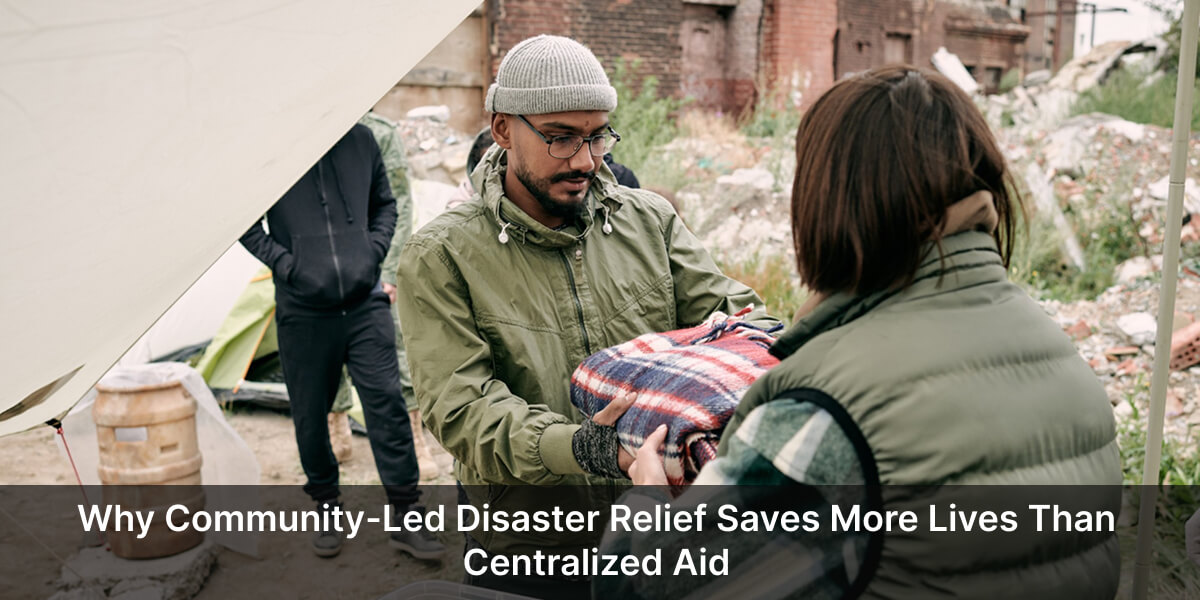
- NGOs provide humanitarian aid for those suffering from man-made or natural disasters. Their provisions in the form of monetary aid, rehabilitation and relief have helped millions over the years.
- NGOs look to influence the policies that run the country so as to work towards the betterment of society as a whole.
- NGOs play a huge role in the awareness creation of various stigmas and advocacy for marginalized groups looking to ensure social justice, environmental protection and human rights.
- NGOs work towards building the community as a whole to induce a sense of peace within society and inculcate a sense of empathy and solidarity amongst its citizens.
How Individuals Can Support NGOs?
Individuals can contribute to society in many ways and one such way is by joining and participating in the activities of NGOs.
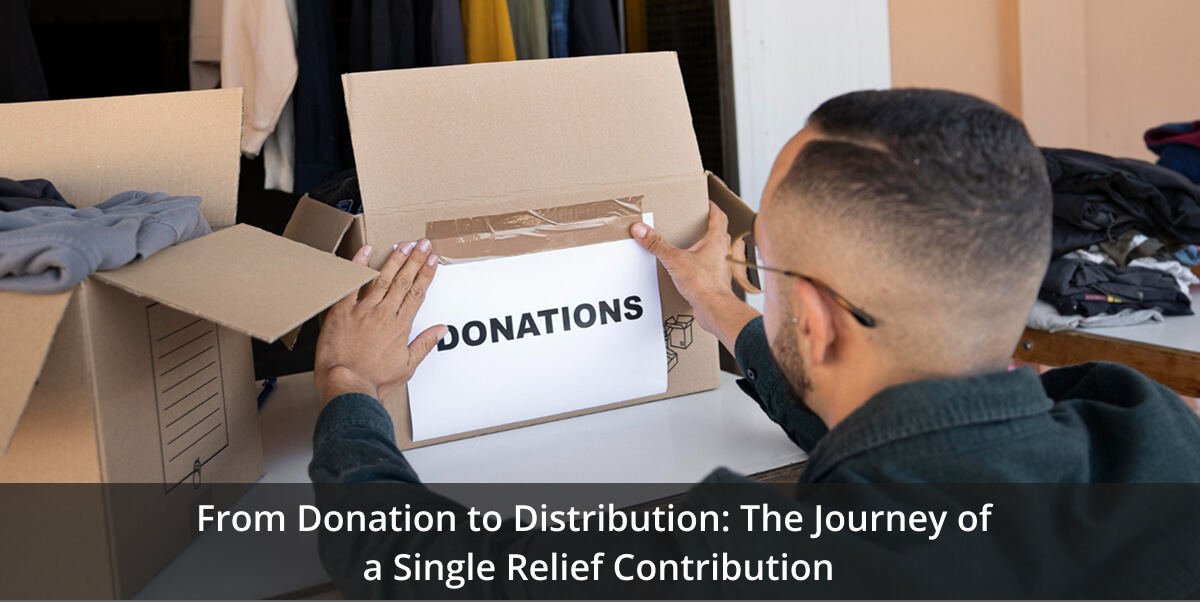
- Individuals can make monetary donations to NGOs by logging onto their websites or visiting their offices.
- People can choose to volunteer at the NGO depending on how they choose to help others.
- People can get involved with advocacy and awareness creation by spreading the word about NGOs and illuminating their mission in the eyes of the public.
- People can donate in kind by sending clothes, food, books and other essentials.
- People can choose to become members of NGOs or choose to sponsor their cause.
- People with certain skills can join NGOs and impart their knowledge to those who don’t have education opportunities.
- People can participate in fundraising activities either by organizing or contributing to their auctions.
FAQs About the Role of NGOs
Q1. What are the main goals of NGOs?
An NGO’s primary goals are to solve societal issues, promote human rights, empower underprivileged populations, advocate for sustainable development, and give humanitarian relief to improve overall quality of life.
Q2. Can NGOs operate internationally?
Yes, non-governmental organizations (NGOs) can operate internationally, solving global difficulties such as poverty, education, health, and environmental issues by partnering across boundaries and engaging with governments, communities, and international organizations.
Q3. How are NGOs funded?
NGOs can be funded in many ways:
- Funded through donations from individuals
- Corporate sponsorships
- Government grants
- Crowdfunding
- Membership fees
- Events
- Product sales.
Q4. How can NGOs drive social change?
NGOs promote social change by addressing the underlying causes of societal crises, campaigning for marginalized communities, influencing policies, increasing awareness, and implementing long-term grassroots solutions.
Conclusion
On a concluding note, the government does hold major responsibility for its citizens, but as regular people functioning in society, we also have to protect those in need. NGOs are mostly private organizations run by people to help marginalized communities and alleviate the suffering of people across the globe.
Help Us Make an Impact: Support the Sakal Relief Fund Now!
The Sakal Relief Fund has been an active NGO since 1942, helping people across the world and improving their lives. For more information, log on to our official website.