Table of Contents
Philanthropy plays a pivotal role in shaping societies, and in India, it has been a driving force behind numerous positive changes. As the country continues to grapple with various social challenges, the role of philanthropists becomes increasingly vital. In this exploration, we delve into the significance of philanthropy in India and shine a spotlight on the top 10 philanthropists, their backgrounds, initiatives, and the impact of their causes.
The Importance of Philanthropy in India
India, with its diverse socio-economic landscape, faces an array of challenges ranging from poverty and healthcare to education and environmental sustainability. Philanthropy emerges as a crucial element in addressing these challenges. Here are key reasons why philanthropy is important in the Indian context:
Social Equality: Philanthropy acts as a catalyst for social equality by channeling resources towards marginalized communities, providing them with opportunities and resources.
Education Advancement: Many philanthropists in India focus on education, contributing to the establishment of schools, scholarship programs, and initiatives that enhance educational accessibility.
Healthcare Infrastructure: Philanthropic efforts have led to the development and improvement of healthcare infrastructure, especially in rural areas, ensuring better health outcomes for the underprivileged.
Environmental Conservation: Several philanthropists actively engage in environmental causes, promoting sustainability, and supporting initiatives that address climate change and conservation.
Community Empowerment: Philanthropy empowers communities by supporting livelihood programs, skill development, and initiatives that enhance the economic well-being of individuals.
Crisis Response: Philanthropic organizations often play a crucial role in responding to crises, providing relief during natural disasters, pandemics, and other emergencies.
Innovation and Research: Philanthropic funding supports innovative solutions and research initiatives, fostering advancements in science, technology, and social development.
Top 10 Philanthropists and Their Causes
1. Ratan Tata

Background and Philanthropic Initiatives: Ratan Tata, the former chairman of Tata Sons, is known for his philanthropic endeavors. The Tata Trusts, chaired by him, work towards various causes such as education, healthcare, and rural development.
Key Causes Supported: Tata’s philanthropy extends to education through the Tata Trusts’ initiatives like the Tata Institute of Social Sciences and Cornell-Tata program. Healthcare is another significant area with the establishment of the Tata Medical Center in Kolkata.
Impact of Philanthropy: Ratan Tata’s philanthropy has significantly impacted education and healthcare accessibility in India, ensuring that marginalized communities have access to quality services.
2. Azim Premji
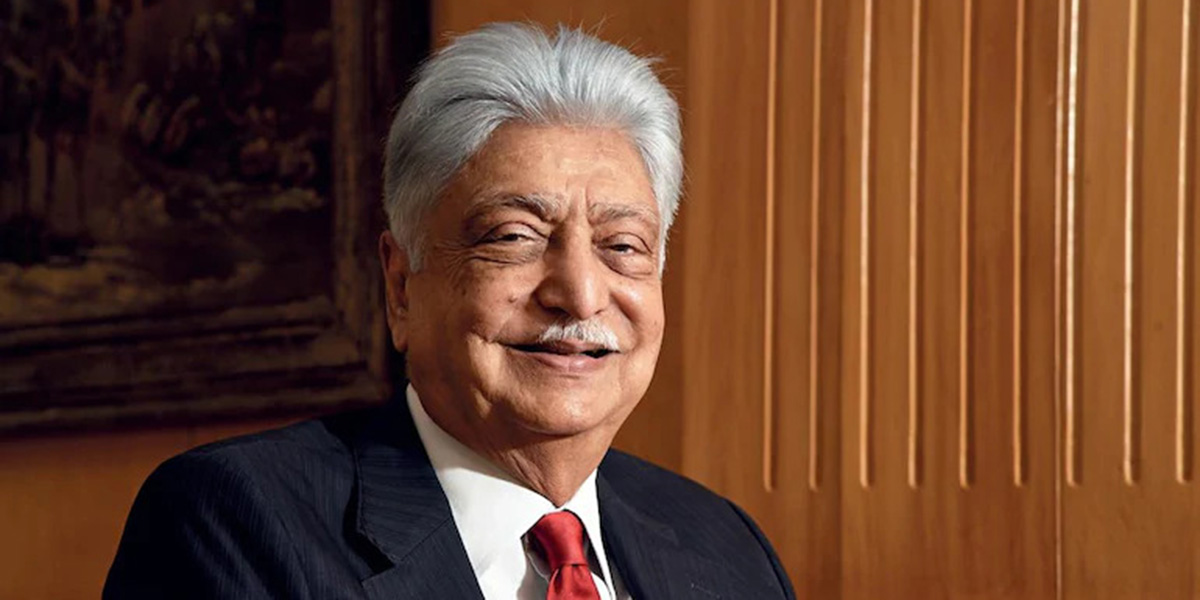
Background and Philanthropic Initiatives: Azim Premji, the founder of Wipro, is a prominent philanthropist through the Azim Premji Foundation. The foundation focuses on education, particularly in rural areas, aiming to improve the quality of school education.
Key Causes Supported: The Azim Premji Foundation has been instrumental in creating educational resources, training teachers, and contributing to education policy discussions. It operates in several states, working towards universalizing quality education.
Impact of Philanthropy: The impact of Premji’s philanthropy is evident in the improved educational infrastructure and outcomes in many rural schools, positively affecting the lives of numerous students.
3. Shiv Nadar

Background and Philanthropic Initiatives: Shiv Nadar, the founder of HCL, channels his philanthropy through the Shiv Nadar Foundation. Education and art are the primary areas of focus.
Key Causes Supported: The foundation has established the Shiv Nadar University, fostering innovation and research. Additionally, it supports art and cultural initiatives through the Kiran Nadar Museum of Art.
Impact of Philanthropy: Shiv Nadar’s philanthropy has contributed to the development of higher education institutions and the promotion of art and culture, enriching both academia and society.
4. Cyrus Poonawalla

Background and Philanthropic Initiatives: Cyrus Poonawalla, the founder of the Serum Institute of India, is involved in philanthropy through the Serum Institute of India Foundation. Healthcare, education, and community development are the core areas of focus.
Key Causes Supported: The foundation works towards improving healthcare access, providing educational opportunities, and supporting community development projects.
Impact of Philanthropy: Poonawalla’s philanthropy has resulted in improved healthcare facilities, increased educational opportunities, and enhanced community well-being in several regions.
5. Anil Agarwal

Background and Philanthropic Initiatives: Anil Agarwal, the founder of Vedanta Resources, is engaged in philanthropy through the Vedanta Foundation. The foundation emphasizes social development, education, and healthcare.
Key Causes Supported: The Vedanta Foundation focuses on initiatives that enhance educational infrastructure, healthcare facilities, and social development programs.
Impact of Philanthropy: Anil Agarwal’s philanthropy has contributed to the creation of educational and healthcare facilities, positively impacting the lives of individuals in underserved communities.
6. Nandan Nilekani
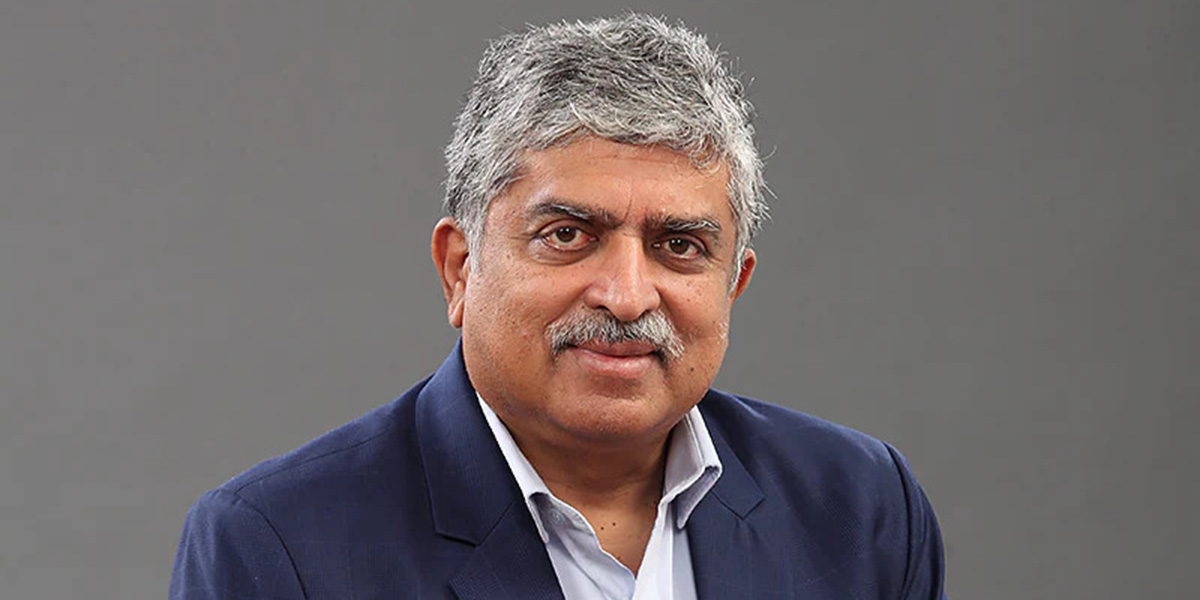
Background and Philanthropic Initiatives: Nandan Nilekani, the co-founder of Infosys, is involved in philanthropy through the EkStep Foundation. The foundation focuses on leveraging technology for education.
Key Causes Supported: EkStep works towards creating technology-based solutions to enhance educational outcomes, especially in the field of digital literacy.
Impact of Philanthropy: Nilekani’s philanthropy is evident in the innovative use of technology to improve educational access and outcomes, particularly in the digital realm.
7. Kiran Mazumdar-Shaw

Background and Philanthropic Initiatives: Kiran Mazumdar-Shaw, the founder of Biocon, is actively involved in philanthropy, particularly in the healthcare sector.
Key Causes Supported: Mazumdar-Shaw’s philanthropy extends to healthcare research, disease prevention, and the establishment of medical infrastructure.
Impact of Philanthropy: Her contributions have resulted in advancements in healthcare research and improved healthcare access, positively impacting individuals facing medical challenges.
8. N. R. Narayana Murthy
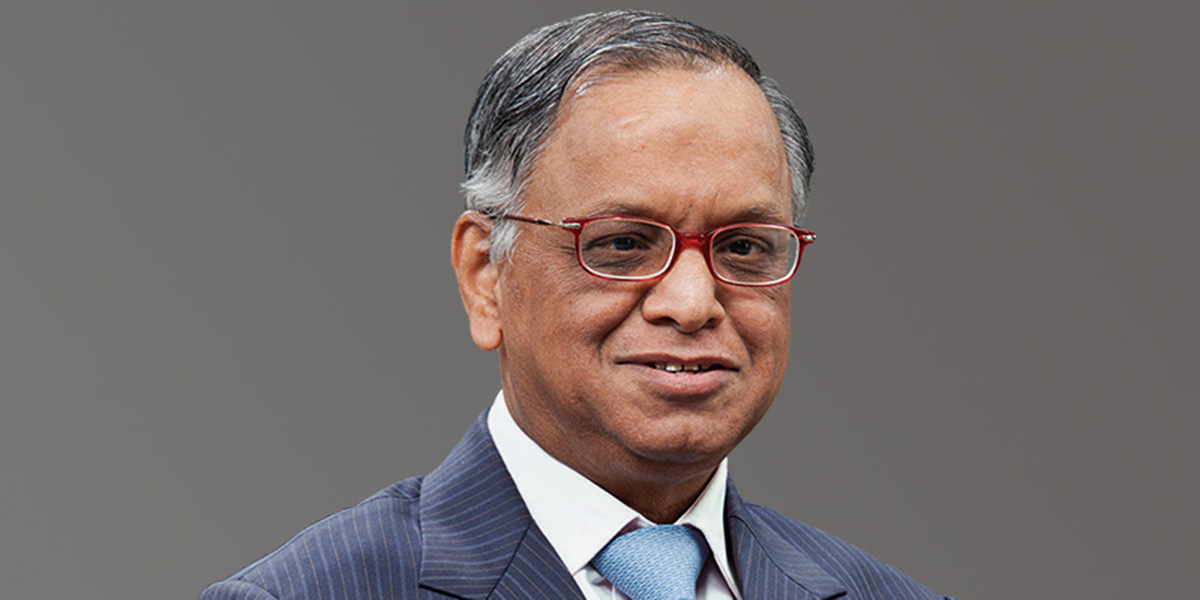
Background and Philanthropic Initiatives: N. R. Narayana Murthy, the co-founder of Infosys, engages in philanthropy through the Infosys Foundation.
Key Causes Supported: The Infosys Foundation focuses on education, rural development, healthcare, and arts and culture.
Impact of Philanthropy: Murthy’s philanthropy has significantly contributed to the development of educational infrastructure, rural empowerment, and healthcare accessibility.
9. Adi Godrej

Background and Philanthropic Initiatives: Adi Godrej, the chairman of the Godrej Group, is actively involved in philanthropy through the Godrej Foundation.
Key Causes Supported: The Godrej Foundation supports initiatives in education, healthcare, and environmental sustainability.
Impact of Philanthropy: Godrej’s philanthropy has positively impacted education, healthcare, and environmental conservation, contributing to sustainable development.
10. Mukesh Ambani

Background and Philanthropic Initiatives: Mukesh Ambani, the chairman of Reliance Industries, is involved in philanthropy through the Reliance Foundation.
Key Causes Supported: The Reliance Foundation focuses on healthcare, education, rural development, and disaster response.
Impact of Philanthropy: Ambani’s philanthropy has resulted in the creation of healthcare facilities, educational institutions, and initiatives for rural development and disaster relief.
Conclusion
India’s top philanthropists, through their diverse initiatives, have made significant strides in addressing the country’s socio-economic challenges. Their commitment to education, healthcare, and community development has had a transformative impact on countless lives. As the nation continues to evolve, the role of these philanthropists remains integral to shaping a more equitable and sustainable future.