Table of Contents
What Happens After You Make a Donation?
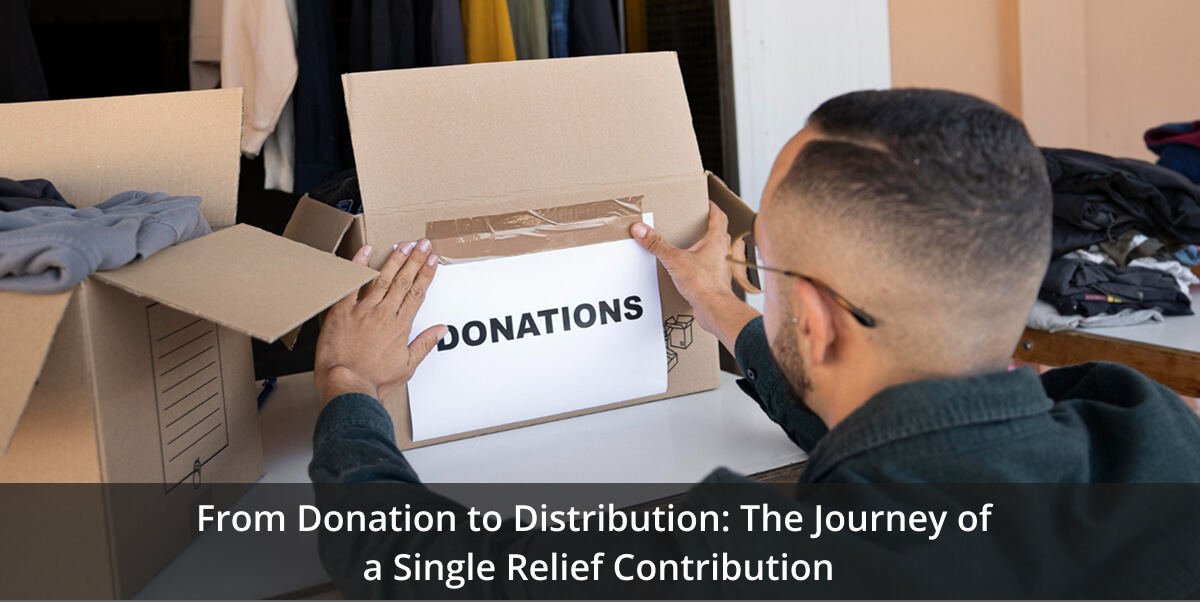
When you make a donation, it is not immediately handed out—it becomes part of a structured process designed to ensure that resources reach the people and communities who need them most.
A donation triggers a multi-step process that transforms hospitality into productive aid. Rather than next distribution, collaterals or matters use up painstaking recording, proof, appraisal, and preparation to maximize impact. This organized approach guarantees responsibility, justice, and transparency while avoiding waste or misallocation.
Step 1: Donation Collection & Verification
Before donations are collected, it is critical to comprehend what societies indeed need. This step ensures that aid is appropriate, adequate, and reaches those the one are most exposed.
Donor confirmation and receipts provide acknowledgment for both transparency and tax purposes, giving contributors confidence that their support has been recognized.
Fund or material categorization separates donations by type—monetary, food, medical supplies, or other essentials—allowing organizations to plan their use according to priority needs.
Compliance and basic checks ensure that donations meet legal requirements, organizational policies, and safety standards. These initial verifications create the foundation for accountable and effective relief.
Step 2: Needs Assessment on the Ground
Before donations are distributed, it is critical to understand what communities actually need. This step ensures that aid is relevant, sufficient, and reaches those who are most vulnerable.
Field assessments by local teams gather firsthand information on damage, shortages, and urgent requirements. Local knowledge helps responders target aid where it will have the greatest impact.
Priority identification determines which households, neighborhoods, or sectors should receive support first, based on severity, vulnerability, and immediacy of need.
Avoiding duplication of aid ensures that resources are not wasted on communities that have already received sufficient assistance. Coordinated assessment prevents gaps and overlaps, making every donation count.
By carefully managing collection and assessment, donations move from intention to impact in a structured, transparent, and meaningful way.
Step 3: Planning How the Donation Will Be Used
Once donations are verified and needs are assessed, the next steps focus on careful planning and preparation to ensure that resources are used efficiently and effectively.
After understanding the needs on the ground, organizations create a plan to allocate resources in a way that maximizes impact. Strategic planning ensures that every contribution makes a meaningful difference.
Budget allocation determines how funds will be distributed across various needs—food, shelter, medical aid, or long-term recovery—based on urgency and scale.
Timeline planning sets realistic schedules for delivering aid, ensuring that critical assistance reaches beneficiaries promptly while allowing for logistical coordination.
Matching donations to needs ensures that resources are directed where they are most required. Monetary donations, materials, and volunteer efforts are aligned with priority gaps identified during the assessment, avoiding mismatches or waste.
Thoughtful planning transforms individual donations into organized, high-impact relief.
Step 4: Procurement of Relief Materials
Once the plan is in place, the next step is procuring the materials needed to fulfill it. Procurement decisions are made carefully to balance speed, cost, and quality.
Vendor selection involves choosing reliable suppliers who can provide the right items on time and meet quality standards.
Local vs centralized procurement is considered to optimize logistics. Local sourcing can speed delivery and support affected economies, while centralized procurement may be necessary for specialized items or bulk efficiency.
Cost and quality balance ensures that donations stretch as far as possible without compromising safety or effectiveness. Relief materials must meet standards to truly serve the intended beneficiaries.
By combining careful planning with responsible procurement, donations are transformed into tangible support that reaches communities efficiently and effectively.
Step 5: Quality Checks & Standardization
Before relief materials reach the ground, careful quality control, storage, and assembly ensure that aid is safe, usable, and delivered efficiently.
Quality control is a critical step in disaster relief to ensure that aid meets safety, usability, and relevance standards. Without it, donations can fail to serve the communities they are intended for.
Item specifications are checked to ensure that supplies match required standards, such as proper clothing sizes, nutritional content, or medical equipment standards.
Expiry and safety checks prevent the distribution of spoiled, unsafe, or unsuitable items, safeguarding the health and wellbeing of beneficiaries.
Kit standardization ensures uniformity in relief packages, so each recipient receives an appropriate and consistent set of items, reducing confusion and ensuring fairness.
By prioritizing quality, organizations ensure that every piece of aid contributes effectively to recovery and relief.
Step 6: Storage, Packaging & Kit Assembly
Once quality is verified, materials must be stored, organized, and packaged for distribution. Proper handling at this stage preserves resources and prepares them for efficient delivery.
Warehousing provides secure and organized storage, preventing damage, loss, or misplacement of materials.
Volunteer-led packing often plays a vital role in assembling relief kits, ensuring each package contains the right items according to standardized specifications.
Labeling and tracking systems are applied to kits to maintain transparency, monitor inventory, and ensure that each package reaches its intended location.
Through careful storage and assembly, donations are transformed into ready-to-distribute relief kits, bridging the gap between generosity and tangible impact.
Step 7: Transportation & Logistics Challenges
Even after kits are prepared, getting aid to the people who need it requires careful planning, logistics, and local coordination.
Moving relief materials from warehouses to affected areas is often one of the most complex stages of disaster response. Effective logistics ensures timely delivery despite difficult conditions.
Route planning identifies the safest and fastest paths to reach communities, taking into account road conditions, weather, and seasonal challenges.
Access constraints—such as flooded roads, landslides, or damaged infrastructure—can delay delivery. Logistics teams must adapt quickly, sometimes using alternative routes or modes of transport.
Coordination with authorities is essential to secure permissions, manage traffic, and align with emergency protocols. Working closely with local administration reduces bottlenecks and ensures aid reaches those in need efficiently.
Step 8: Coordination with Local Teams
Once aid arrives in the affected area, coordination with local teams is critical for distribution and support.
Local responders, NGOs, and community volunteers provide the knowledge and trust needed to deliver relief effectively. They guide distribution points, verify beneficiaries, and provide context-specific support.
This handover ensures that donations are distributed responsibly, equitably, and with community engagement, turning organized logistics into meaningful impact for those recovering from disaster.
Step 9: Identifying Beneficiaries
Fair and needs-based selection of beneficiaries ensures that relief reaches those who are most vulnerable. This step prevents inequities and maximizes the impact of donations.
Vulnerability criteria—such as income, displacement, health status, or family size—help prioritize individuals and households most in need.
Community verification involves engaging local leaders and residents to confirm who requires assistance, ensuring transparency and reducing errors.
Avoiding repeat distribution ensures that resources are not given multiple times to the same households while others remain underserved. Accurate beneficiary identification safeguards fairness and efficiency.
Step 10: Final Distribution to Survivors
The final step is delivering aid directly to survivors, converting organized planning into tangible support.
Distribution points are set up strategically for accessibility and safety, often with clear signage and staff guidance.
Crowd management ensures orderly access, reduces risks of conflict, and maintains safety for both volunteers and recipients.
Documentation and acknowledgment provide proof of delivery, record what each beneficiary receives, and allow donors and organizations to maintain accountability.
Through careful beneficiary selection and structured final distribution, donations move from intention to meaningful impact, helping communities recover with dignity and fairness.
How Accountability Is Maintained Throughout
Ensuring that donations truly benefit those in need requires accountability at every step. Transparency, documentation, and communication turn good intentions into measurable impact.
Accountability in disaster relief is maintained through careful tracking, reporting, and communication with both donors and beneficiaries.
Financial records document how funds are received, categorized, and spent, ensuring that all monetary contributions are traceable and compliant with regulations.
Distribution logs record what resources were given, to whom, and when, creating a verifiable chain from donation to delivery.
Donor updates provide regular progress reports, sharing how contributions are being used and what impact they are creating. Together, these mechanisms build trust, prevent misuse, and make relief efforts measurable and credible.
Common Bottlenecks in the Donation Journey
Even with careful planning, several challenges can slow or complicate the flow of aid from donors to beneficiaries.
Delayed assessments can postpone distribution because organizations need accurate information to target resources effectively.
Logistics disruptions, such as damaged roads, vehicle shortages, or weather conditions, can prevent timely delivery of supplies.
Information gaps between donors, NGOs, local teams, and communities can cause misalignment, duplication, or missed needs.
By anticipating and managing these bottlenecks, organizations can ensure that donations are delivered efficiently, transparently, and in a way that truly supports recovery.
Why Transparency Matters at Every Step
Every step of the donation process matters, not just for efficiency, but for building trust and ensuring that resources truly reach those in need.
Transparency strengthens both trust and effectiveness in disaster relief. When donors, organizations, and communities can see how resources are allocated and used, confidence in the process grows.
It also improves efficiency, as clear reporting and documentation prevent duplication, misallocation, or unnecessary delays.
Finally, transparency builds citizen confidence. Donors feel assured that their contributions are making a tangible difference, and communities can trust that aid is delivered fairly and responsibly.
FAQs About Donation-to-Distribution Process
Understanding the journey of a donation helps set realistic expectations and reinforces accountability:
Q1. How long does it take for a donation to reach survivors?
Timing depends on verification, needs assessment, procurement, logistics, and coordination with local teams. Structured planning ensures aid is effective, even if it is not immediate.
Q2. Can donors track how their contribution is used?
Yes. Many organizations provide regular updates, dashboards, or reports showing how funds or materials are allocated and distributed.
Q3. Why isn’t aid distributed immediately after donation?
Immediate distribution without assessment can lead to misaligned aid, duplication, or inequitable delivery. Structured processes ensure that resources reach those who need them most.
Q4. What happens if needs change on the ground?
Relief plans are adapted based on ongoing assessments. Priorities are adjusted to respond to emerging gaps or evolving community requirements.
Q5. How is misuse of donations prevented?
Through financial records, distribution logs, audits, monitoring, and transparent reporting, organizations maintain accountability and reduce risk of mismanagement.
Key Takeaways
The journey from donation to distribution is structured to maximize impact and maintain trust.
- Every donation goes through a structured journey to ensure accountability and proper use.
- Needs assessment guides responsible use, preventing waste or misallocation.
- Logistics and coordination determine speed, balancing efficiency with accuracy.
- Transparency ensures trust and impact, giving donors confidence and supporting fair aid delivery.
When every step is transparent and accountable, donations become more than contributions—they become meaningful, life-changing support for communities in need.